Blog
Are All Garage Door Cables the Same?
July 3, 2026
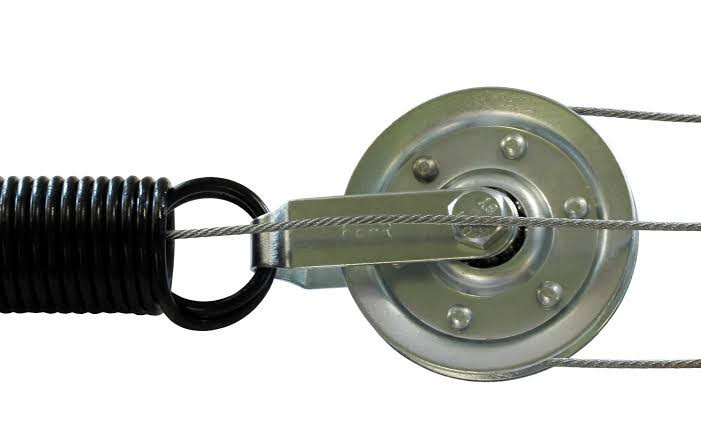
Not all garage door cables are the same. They differ in spring system compatibility, sizing specifications, and galvanizing finish, and each of those differences has real consequences for performance, safety, and longevity. For professionals sourcing hardware at scale, knowing those distinctions is the difference between a reliable installation and a callback.
This article walks through the three key variables to help you make informed decisions when selecting garage door cables for any job.
Torsion vs. Extension: The System Determines the Cable
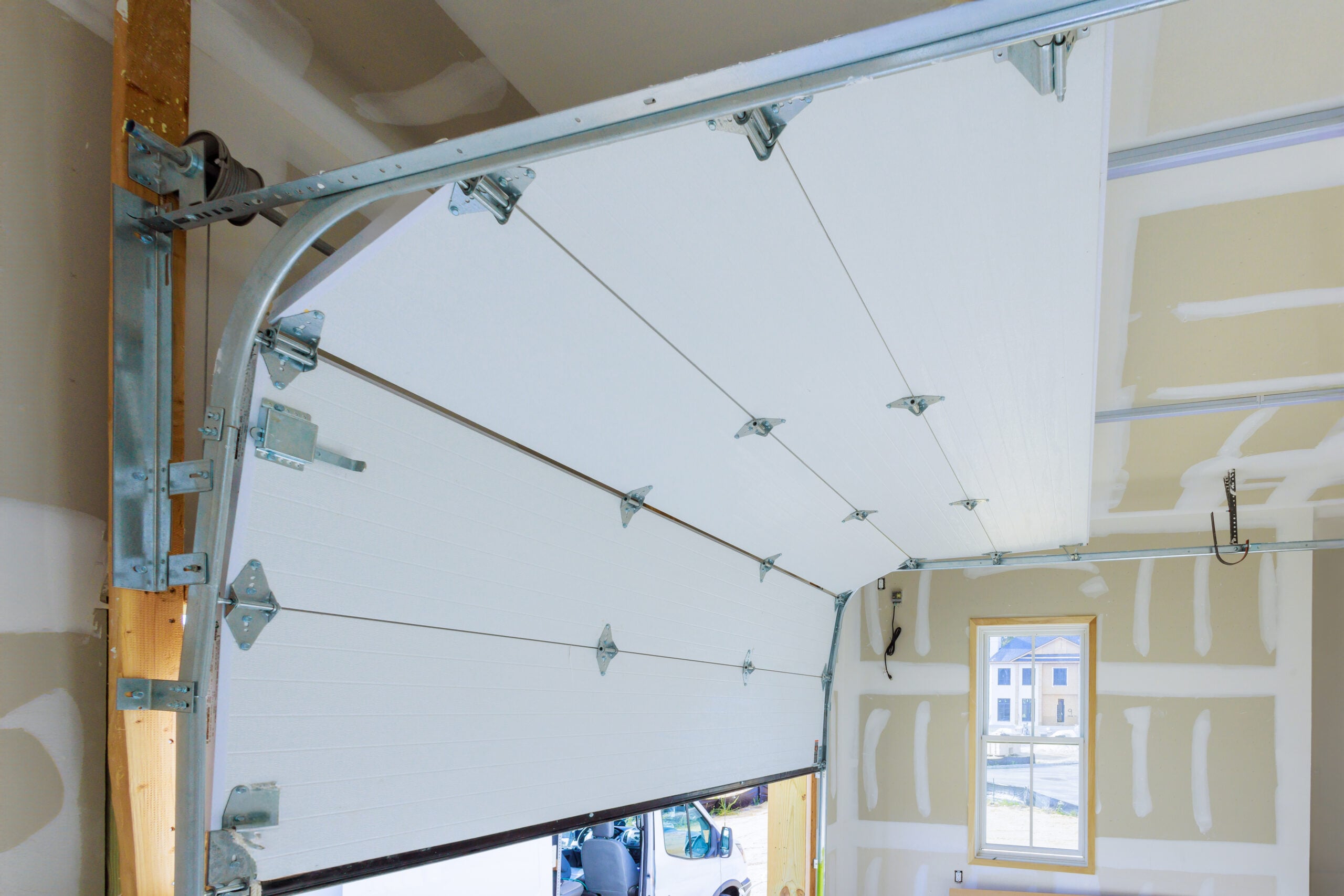
Cable selection starts with the spring system. Torsion and extension systems use fundamentally different cable configurations, and the cables are not interchangeable between them.
In a torsion spring system, the cable wraps around a drum mounted above the door opening and attaches to a bottom bracket on each side of the door. As the torsion spring winds and unwinds, the drum controls the cable to lift and lower the door in a controlled, balanced motion. The cable in this setup bears the full weight load of the door.
Extension spring systems work differently. The springs extend and contract along the horizontal tracks on either side of the door. These systems use two types of cables. Lift cables raise and lower the door, while safety cables, also called retention cables, run through the center of each spring to contain it if it breaks and prevent it from becoming a projectile.
Because each cable type serves a different mechanical function, substituting one for another creates a safety risk and will likely cause the system to fail.
Specs Matter: Diameter, Length, and Construction
Once the correct cable type is identified, the next step is matching the specs to the door. Diameter, length, and wire construction all affect how the cable performs over time.
Diameter is determined by door weight and application. Common sizes for garage door cable assemblies include 3/32″, 1/8″ and 5/32″. Heavier doors require a thicker cable with higher breaking strength. Using an undersized cable on a heavy door accelerates wear and increases the risk of failure.
Length is tied directly to door height. For standard-lift torsion doors, a common formula is door height plus 18 inches. Vertical-lift and high-lift configurations require longer cables and should not be assumed to use the same product. Cables for 7-foot, 8-foot, and taller doors are distinct products, and mismatching door height to cable length causes uneven lift and puts unnecessary stress on the drums and springs.
Wire construction is less visible but equally important. A 7×7 construction, seven strands of seven wires, is standard for most residential garage door applications. It provides the strength and flexibility needed for typical drum-and-bracket setups. Alternatively, a 7×19 construction, with seven strands of nineteen wires each, is more flexible and better suited to applications where the cable travels around tighter bends or pulleys. Both constructions are used in garage door applications and should be selected based on the specific mechanical demands of the installation.
Not All Finishes Are Equal: Hot-Dip Galvanized vs. Electro-Galvanized
Of all the variables that separate one garage door cable from another, finish quality has the most direct impact on long-term performance. Two cables can look identical on a spec sheet but behave very differently in the field, depending on how the zinc coating was applied.
How Electro-Galvanized Cable Is Made
Electro-galvanizing applies zinc to the finished cable using an electrical current in a saline bath. The process is fast and produces a consistent surface appearance, but it results in a relatively thin zinc layer. That thin coating limits how long the cable holds up against moisture, salt air, and abrasion. Electro-galvanized cable is common in lower-cost products, and the coating reflects the price point.
Why Hot-Dip Galvanized Cable Performs Better
Hot-dip galvanized cable is produced differently. Before the cable is formed, the individual wires are dipped in a molten zinc bath. This step-before-assembly process allows the zinc to coat each wire thoroughly. The result, according to Fehr Bros, is a finished coating 5 to 10 times thicker than the zinc layer found on electro-galvanized cables and wire rope. The thicker coating also improves abrasion resistance, which matters in applications where the cable experiences repeated mechanical contact.
That thickness translates into three distinct layers of corrosion protection.
- The first is barrier protection, where the zinc physically separates the steel from moisture and contaminants.
- The second is cathodic protection, where zinc reacts preferentially to the environment, sacrificing itself to protect the underlying wire.
- The third is the formation of a zinc patina over time, a stable layer of zinc carbonate that further slows corrosion in outdoor and high-humidity environments.
The result is a cable that holds up significantly longer in real-world conditions, particularly in installations exposed to humidity, coastal air, or temperature cycling.
Some May Choose To Upgrade To Stainless Steel
Most residential garages are largely dry and inland. Quality Hot-Dip Galvanized steel cables are the go-to standard for most residential setups. The lifespan of Hot-Dip Galvanized garage door cables is affected by many factors, but they generally last 7 to 12 years or 10,000 to 15,000 door cycles with basic maintenance.
However, if the garage door is in a coastal saltwater area, at a carwash, or near harsh chemical agents (like pool chlorine), upgrading to stainless steel garage door cables is a worthwhile consideration. Stainless steel comes at a premium cost upfront, but its longevity makes it a better value over time in harsh environments.
Choosing the Right Garage Door Cables Starts with Knowing the Difference
Garage door cables differ in important ways, and system compatibility determines which cable type is appropriate for the installation. Diameter, length, and wire construction determine whether the cable performs correctly under load. Finish quality determines how long it holds up before the coating fails and corrosion begins.
For professionals who install and service garage doors regularly, sourcing hot-dip galvanized cable assemblies is a straightforward way to reduce callbacks and deliver better long-term results for customers. The upfront difference in quality is real, and so is the difference in field performance.
Fehr Bros offers a wide selection of professional-grade garage door cable assemblies. Contact a product specialist for guidance on matching the right cable to your application, or explore the full catalog at fehr.com.