Blog
Guy Strand vs. Wire Rope: What Every Buyer Should Know
April 29, 2026
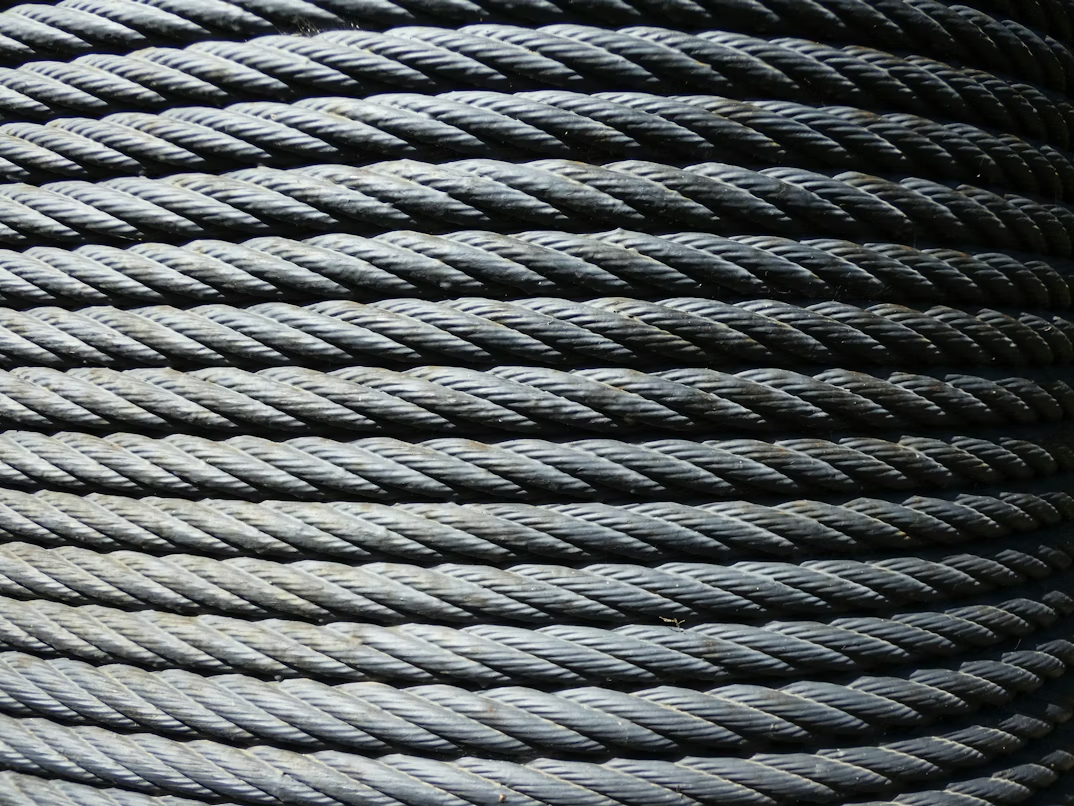
Guy strand and wire rope are two of the most commonly specified steel cable products in industrial and construction purchasing, and two of the most frequently confused. Both are made from steel wire, are used in demanding environments, and appear in similar project specifications. Still, they serve fundamentally different purposes and are not interchangeable.
While they share surface-level similarities, guy strand vs. wire rope is not an apples-to-apples comparison. These products are built differently, behave differently under load, and are suited to entirely different applications. Getting that distinction wrong can affect performance, safety, and long-term reliability in ways that are costly to correct after installation.
This article covers the key differences buyers need to understand before specifying either product: how each one is constructed, how construction affects performance characteristics like flexibility and stretch, what termination hardware each product requires, and how to determine which one is right for a given application.
How Guy Strand and Wire Rope Are Built Differently
The most fundamental difference between these two products is structural, and everything else follows from it.
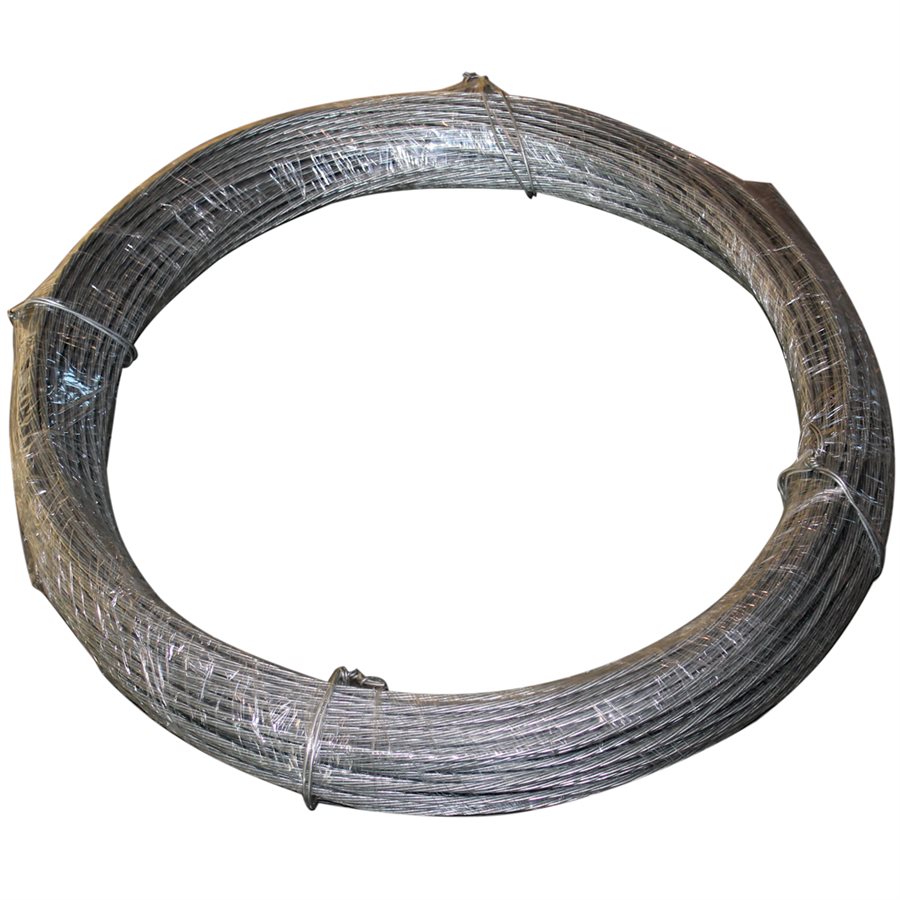
Guy strand uses a 1×7 construction: one straight core wire wrapped by six outer wires, forming a single rigid strand. There are no additional layers of complexity. It is a simple, solid configuration designed to stay that way under tension.

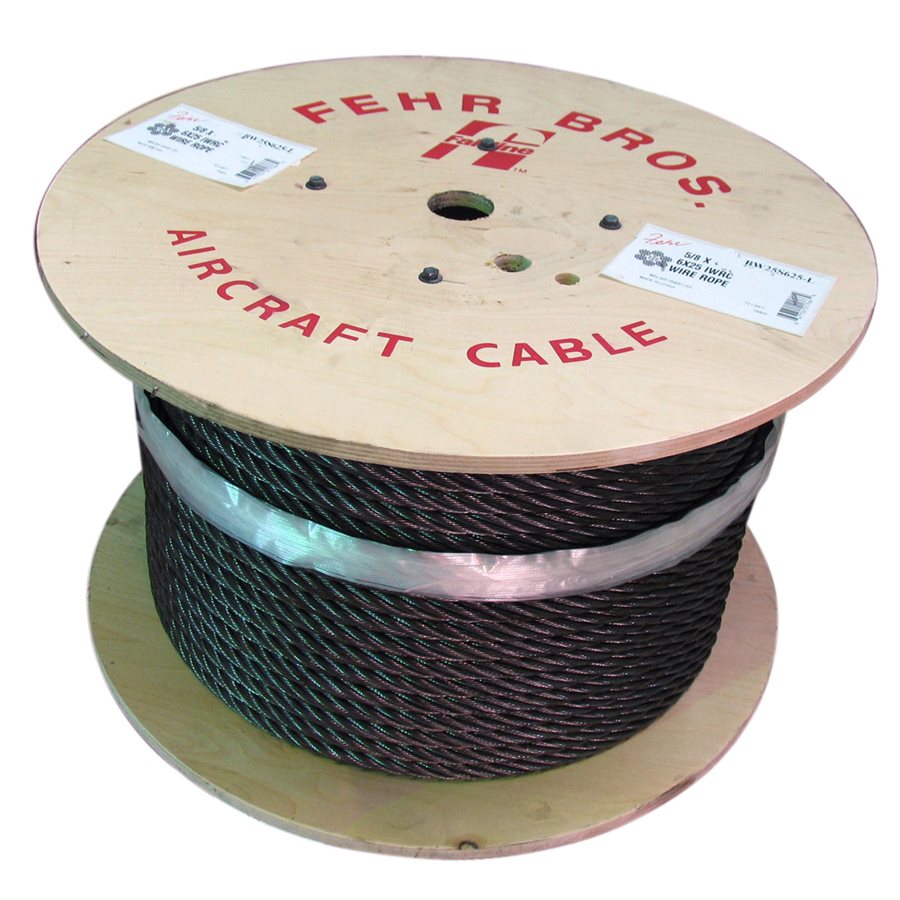
Wire rope is built from multiple strands wound around a central core. Common constructions include 6×19 and 6×37, where the first number refers to the number of strands and the second to the number of wires within each strand. This multi-strand architecture introduces flexibility that guy strand is specifically engineered to avoid.

Understanding this construction difference is the foundation of every other comparison. The structural makeup of each product determines where it belongs and, just as importantly, where it does not. A product that looks similar on a spec sheet can behave in entirely different ways once it is under load, which is why starting with construction is the right place to begin.
Flexibility and Stretch: Where the Products Diverge
Construction translates directly into performance, and the performance gap between these two products is significant.
Guy strand is intentionally rigid and low-stretch. In static, straight-line applications where consistent tension over time is the priority, that rigidity is an asset. The product resists elongation under load, which keeps support systems tight and stable without requiring frequent adjustment or re-tensioning over the life of the installation.
Wire rope is designed to do the opposite. Its multi-strand construction allows it to bend over sheaves, wrap around drums, and travel through pulley systems without deforming or fatiguing prematurely. That flexibility makes it the right choice wherever movement is part of the application.
Stretch behavior also differs in ways that affect total system performance. Guy strand minimizes elongation even under sustained or heavy loads. Wire rope stretch varies by construction class and matters especially in dynamic or load-cycling applications, where controlled movement and consistent mechanical response are required. In a lifting or hoisting system, for example, predictable stretch behavior directly affects load control and operator safety.
Using a flexible product where rigidity is needed introduces unwanted movement and potential failure points, while using a rigid product in a dynamic application leads to premature fatigue and breakage. Neither outcome is acceptable in a professional installation, and neither is easy or inexpensive to correct after the fact.
Terminations and Hardware Requirements
Choosing the correct cable is only part of the decision. How that cable is terminated determines whether the assembly performs at its rated capacity, and both products have specific requirements that must be matched to the application.
For guy strand, the grade determines which termination methods are available. EHS (Extra High Strength) guy strand requires dead ends or mechanical tensioners. Its higher carbon content makes the wire significantly harder and stiffer than Common Grade, which means it cannot be spliced or bent around a thimble without risking deformation or cracking at the termination point. Common Grade guy strand is spliceable and can be wrapped around a thimble, which gives installers more flexibility in how the cable is anchored and tensioned. For long-span or high-load installations, EHS is typically the appropriate choice. For moderate load applications where easier handling and field termination are practical priorities, Common Grade is well-suited.
Wire rope typically uses swaged or mechanical fittings, depending on the load requirements and application environment. Swaged fittings provide a permanent, high-strength connection and generally achieve 100% fitting efficiency, meaning the termination meets the full rated breaking strength of the rope. Mechanical fittings allow for field assembly and adjustment, but are typically rated at 90% efficiency or lower, depending on the fitting type and rope construction. In either case, the fitting must be compatible with the rope diameter and construction class in use. An undersized or mismatched termination reduces the effective strength of the entire assembly, regardless of what the rope itself is rated for.
Buyers specifying hardware for a project need to account for termination requirements early in the process. The cable and the hardware at each end are part of the same system, and selecting them separately without considering compatibility introduces unnecessary risk.
Choosing Between Guy Strand and Wire Rope
The clearest way to choose between these two products is to ask one question: Will the cable remain straight under sustained tension, or will it need to bend, flex, or move during use?
If the answer is straight and static, guy strand is likely the right product. It is the standard choice for bracing utility poles, transmission towers, steel buildings and communications infrastructure. It is also widely used to support radio and wind turbine towers, anchor trees and large vegetation in landscaping and arboriculture work, and provide tensioned straight runs in fencing applications. In each of these cases, the cable is expected to hold a fixed position under consistent load without any lateral movement.
If the answer involves movement or mechanical cycling, wire rope is often the best choice. It is used in overhead crane and hoist systems, lifting equipment, and rigging for construction, marine, and material-handling operations. Any setup involving sheaves, drums, or pulleys requires wire rope. The flexibility built into its construction is not a secondary characteristic; it is the reason the product exists.
For projects using guy strand, grade selection adds another layer to the decision. EHS is appropriate for high-load or long-span installations where maximum tensile strength is required. Common Grade suits moderate load applications where spliceable terminations and easier field handling are practical advantages. Span distance, wind load zone, and the type of structure being supported should all factor into the grade decision. When those variables are in play, getting input from a knowledgeable supplier before finalizing the specification is worth the time.
Picking the Right Product From the Start
The differences between guy strand and wire rope are not minor variations within the same product category. They represent two fundamentally different engineering approaches to the same underlying need of keeping something secure under tension.
Guy strand delivers rigid, low-stretch, straight-line support for static structures. Wire rope delivers flexible, dynamic performance for lifting, rigging, and systems with moving components. Each has a defined role, and the two products are not interchangeable.
Getting the specification right from the start avoids performance issues, premature failures, and the cost of rework. It also simplifies the hardware selection process, since both the cable and its termination fittings need to be matched to the same application requirements.
Fehr Bros. carries a full selection of guy strand and wire rope for industrial, commercial, and specialty applications. Buyers who want to explore their guy strand options can browse the full selection, or contact Fehr Bros. to speak with a product specialist for guidance on the right product and configuration for their specific project.