Blog
Sash Chain vs. Other Chain Types: Differences, Benefits & Selection Tips
March 4, 2026

Selecting the right chain starts with knowing what the application actually demands and what the chain is designed to do. Sash chain is built for a specific mechanical role, but it is sometimes mistaken for a general-purpose or load-rated industrial chain. That confusion can lead to poor fit, premature wear, or unsafe use in the wrong environment.
A sash chain is traditionally used in window counterbalance systems, where smooth movement and consistent articulation matter more than high tensile strength. Because sash chain differs significantly from utility, transport, and lifting chains in both construction and intended use, it is important to understand their capabilities and limits.
This article explains how a sash chain functions, clarifies what it can and cannot be used for, and compares it to other chain types available from Fehr Bros. to support safe, informed selection.
What Is a Sash Chain and How Does It Function?
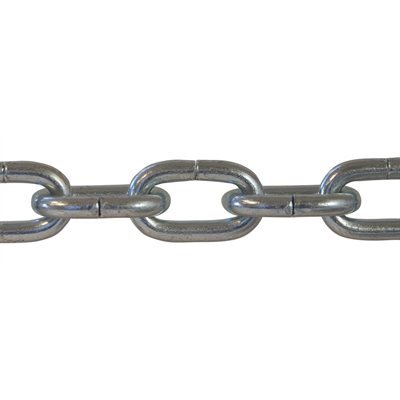
A sash chain is a lightweight welded-link chain most commonly used in double-hung window counterbalance systems. Its primary purpose is to connect a movable window sash to a concealed counterweight, allowing the window to open and close smoothly.
To understand how a sash chain functions, it is important to consider the mechanics of a counterbalance system. In a traditional double-hung window, the sash chain runs over a pulley mounted at the top of the window frame. One end of the chain attaches to the window sash, and the other end connects to a counterweight housed inside the wall cavity. As the window moves up or down, the counterweight moves in the opposite direction, balancing the load and reducing the force required to operate the window.
The welded-link construction of the sash chain allows consistent articulation through pulleys and guides. Its smaller, flexible links bend easily, maintaining smooth travel without binding. During movement, the load is evenly distributed across the links, helping maintain consistent performance under light-duty tension.
Sash chain is typically finished with a zinc-plated or electro-galvanized coating. These finishes provide corrosion resistance suitable for interior or controlled environments, where exposure to moisture is limited.
What a Sash Chain Can Be Used For
The most common use for sash chain is in double-hung window counterweight systems. It is frequently used in restoration projects involving historic or commercial buildings, where maintaining traditional window operation is important. In these systems, the sash chain provides smooth and consistent counterbalancing without requiring high tensile strength.
Sash chain may also be appropriate for light-duty suspension applications where flexibility is prioritized over load capacity. Examples include certain indoor mechanical systems with limited load requirements and controlled movement.
In applications where smooth articulation through pulleys or guides is critical, sash chain performs efficiently due to its lightweight construction. Situations where controlled movement is more important than high working load limits are generally appropriate for sash chain use.
What a Sash Chain Cannot Be Used For
Equally important is understanding what a sash chain cannot be used for. Sash chain is not designed for overhead lifting or hoisting applications. It is not manufactured to lifting-grade standards and does not carry certified working load limits for overhead lifting environments.
It should not be used for cargo securement or transportation tie-down applications. Load securement for highway transport requires a properly rated transport chain, such as a Grade 70 chain, which is engineered and marked for that purpose.
Sash chain is also unsuitable for heavy-duty rigging or applications involving high-tensile loads. Environments that require certified lifting performance, such as those that use Grade 80 chain for overhead lifting, demand alloy lifting chain rather than lightweight counterbalance chain.
Additionally, sash chains should not be used in high-impact or shock-load environments. Applications that require Grade 70 or Grade 80 performance standards exceed the sash chain’s design limitations.
Overview of Other Chain Types
To better understand how sash chain compares to industrial alternatives, it is helpful to review other common chain types offered by Fehr Bros.
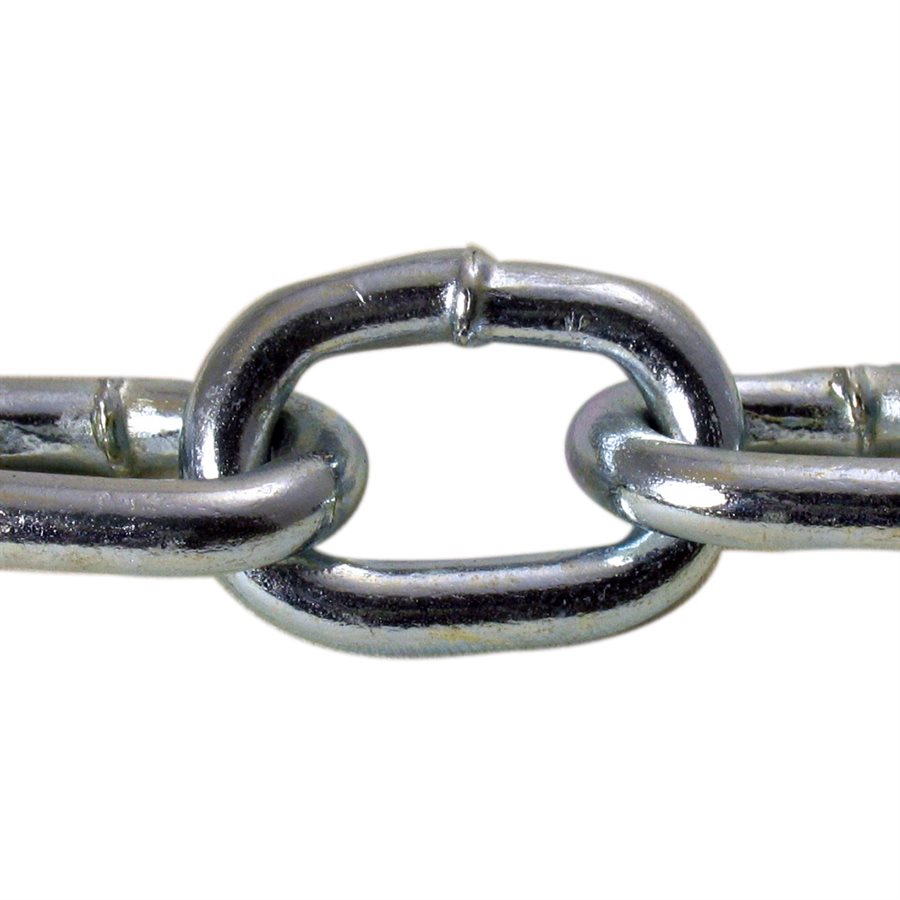
- Grade 30 proof coil chain: General-purpose utility chain for light-to-medium loads and everyday securing applications.
- Grade 43 high test chain: Stronger general utility chain commonly used for load securement and towing where higher capacity is needed.
- Grade 70 transport chain: Designed for cargo control and transport tie-downs, with strength characteristics suited to highway load securement requirements.
- Grade 80 alloy chain: Heat-treated alloy chain approved for overhead lifting and rigging when used in properly rated assemblies.
- Stainless steel chain (Type 316 proof coil): Corrosion-resistant option for marine, outdoor, or harsh environments.
- Single jack chain: Lightweight chain often used for hanging signage, fixtures, or light-duty suspension applications.
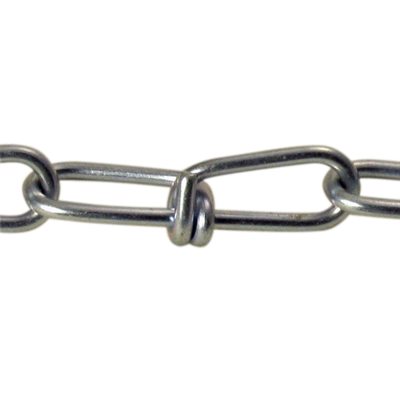
- Double loop chain: Decorative or utility hanging chain with a distinct link construction suited for light-duty hanging uses.
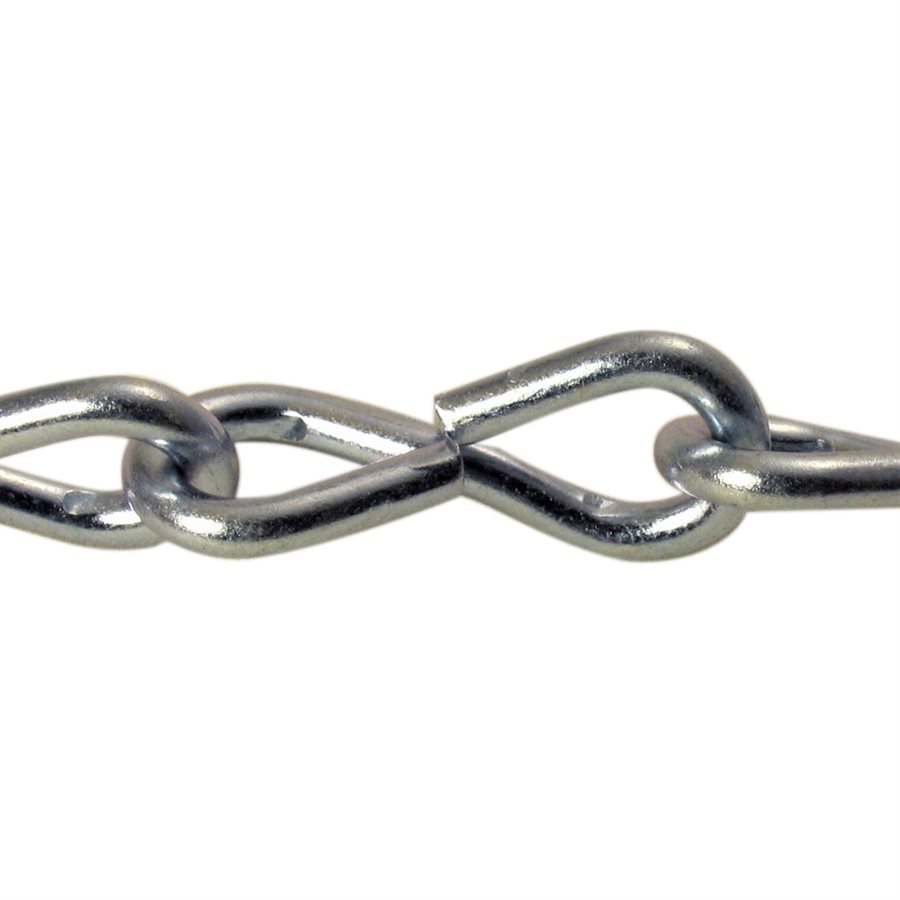
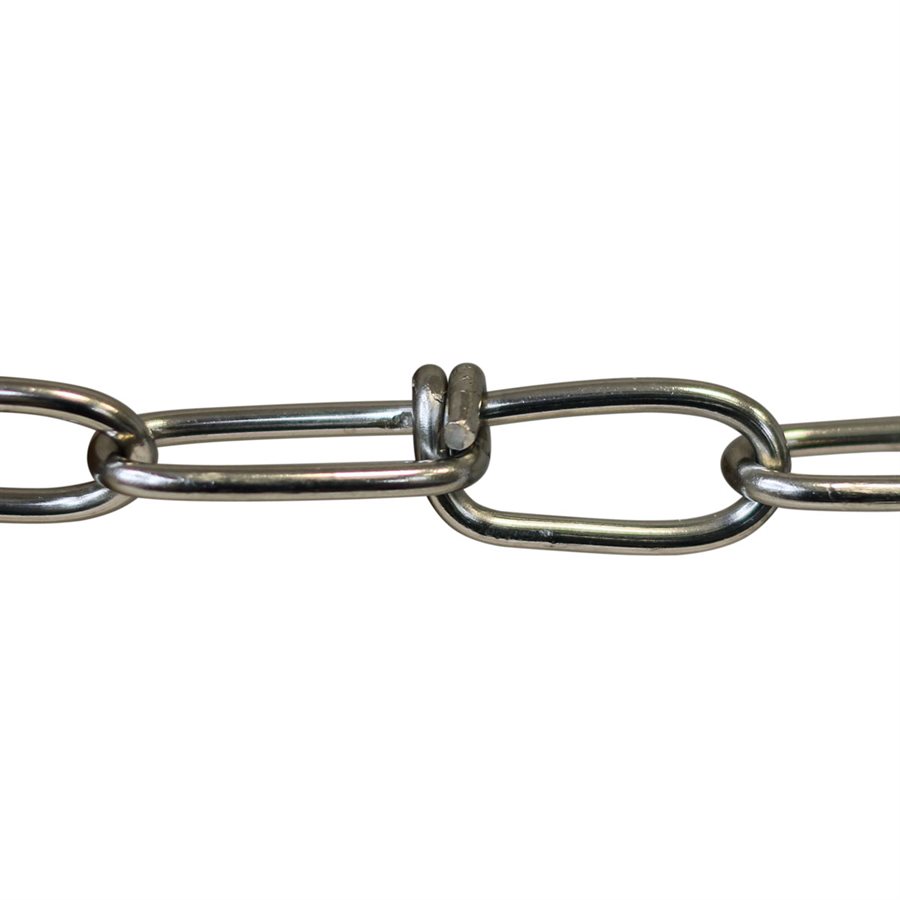
Each of these chain types serves a different function and operates within different performance parameters.
Sash Chain vs. Other Chain Types: Key Differences
When comparing sash chain to other industrial chain types, the differences extend well beyond appearance. Load capacity, intended use, certification standards, link construction, and environmental suitability all play a role in determining proper application.
The following sections outline how sash chain differs from commonly used utility, transport, and lifting chains to help guide safe and effective selection.
Load Capacity
Sash chain is designed for light-duty counterbalance systems. Its working load capacity is appropriate for window sash weights but not for industrial load-bearing tasks.
Grade 30 proof coil chain provides higher working load limits for general utility use. Grade 43 high test and Grade 70 transport chain offer significantly greater tensile strength for securing and transport applications. Grade 80 alloy chain is engineered for certified overhead lifting with clearly defined working load limits.
Intended Use
Sash chain supports controlled vertical movement in window systems. In contrast, proof coil and high-test chains are typically used for securing, towing, and general industrial applications. Grade 70 chain is specifically intended for cargo securement during transport. Grade 80 alloy chain is designed for lifting and rigging applications.
Certification and Compliance
The sash chain is not rated for overhead lifting and does not meet lifting certification standards. Grade 80 alloy chain meets applicable lifting and rigging standards when used in compliant assemblies. Grade 70 transport chain is marked and manufactured to meet load securement requirements for highway transport.
Link Construction
Sash chain features small, flexible welded links optimized for smooth articulation through pulleys. Transport and alloy lifting chains use thicker, heavier links designed for strength and structural integrity. Double-loop and single-jack chain features distinct link configurations suited for hanging and decorative applications.
Flexibility vs. Strength
Sash chain prioritizes flexibility and smooth travel through pulleys. High-test and transport chains prioritize tensile strength and resistance to deformation under load. Alloy lifting chain prioritizes structural integrity and performance under sustained lifting loads.
Material and Finish Options
Sash chain typically uses zinc-plated finishes suitable for interior environments. Stainless steel chain provides enhanced corrosion resistance in marine or chemical environments. Transport and alloy chains may include specialized coatings designed to enhance durability in demanding industrial settings.
Application Environment
Sash chain is most commonly used indoors or in controlled environments. A stainless steel chain is preferred in corrosive or marine settings. Grade 70 and Grade 80 chains are commonly used in heavy industrial environments where higher loads and regulatory compliance are required.
Selection Tips: Choosing the Right Chain for Your Application

Selecting the appropriate chain begins with identifying the required working load limit. Always verify that the chain’s capacity exceeds the expected load and includes a suitable safety factor.
Determine whether the application involves lifting, securing, or counterbalancing. Counterbalance systems require flexibility and smooth movement. Lifting applications require a certified alloy lifting chain that meets applicable standards. Transport securement requires a transport-rated chain.
Assess environmental exposure, including moisture, chemicals, and outdoor conditions. Corrosion resistance may influence finish or material selection.
Consider whether flexibility or tensile strength is the priority. Sash chain functions well in movement-based systems, while industrial load-bearing tasks require higher strength ratings.
Confirm whether regulatory compliance or certification is required. Lifting and transport applications often require specific standards to be met.
Evaluate long-term wear expectations and frequency of movement. Repetitive motion may require a chain designed for articulation rather than maximum strength.
Questions to Ask Before Purchasing
Before purchasing a chain, consider the following:
- Is the application load-bearing or movement-based?
- Does the chain require lifting certification or compliance with specific standards?
- Will the chain be exposed to moisture, chemicals, or corrosive environments?
- What working load limit and safety factor are required for the task?
- Does the selected chain meet the application’s performance and regulatory requirements?
Final Considerations When Comparing Sash Chain and Industrial Chain Types
As the comparisons in this guide show, the sash chain is engineered for controlled movement in counterbalance systems, not for high-strength industrial tasks. Its lightweight, welded-link design allows it to travel smoothly over pulleys when connecting a window sash to a counterweight, ensuring balanced operation with consistent motion.
That same design is also what defines its limits. Using the selection factors we covered, it becomes clear when a sash chain is appropriate and when a different chain type is required for lifting, transport, securement, or higher-load industrial use. By confirming function, load demands, and compliance requirements up front, professionals can choose the safest option and support reliable performance over time.
Fehr Bros. offers a broad selection of chain types to support counterbalance systems, general utility use, transport applications, and lifting operations. To explore available options or discuss your specific requirements, contact us to connect with a Product Specialist.